Best 3D Printers for Beginners in 2026
Scope and date: This is an April 25, 2026 research shortlist, not a hands-on comparison or a live inventory of every current printer. Listed prices are historical examples. Check current regional offers, exact bundle contents, supported materials, and service terms before buying. For the newer midrange comparison, see P1S versus P2S.
If you are buying your first 3D printer in 2026, the good news is that the market is better than it used to be. The bad news is that the marketing got better too. There are a lot of machines that sound impressive on paper but make terrible first printers.

For a beginner, I care less about whatever machine has the highest advertised speed and more about five boring questions:
- Can you get from unboxing to a successful first print without turning it into a weekend project?
- Will the printer stay useful after the honeymoon phase?
- Can it print the materials you will realistically want in year one?
- Is the software experience going to help you or fight you?
- Will you outgrow it too quickly?
The shortlist below uses the product lineups considered in the original April research. Use the questions above to compare them with current alternatives rather than treating this list as a freshly tested ranking.
Quick Picks
Best overall beginner printer
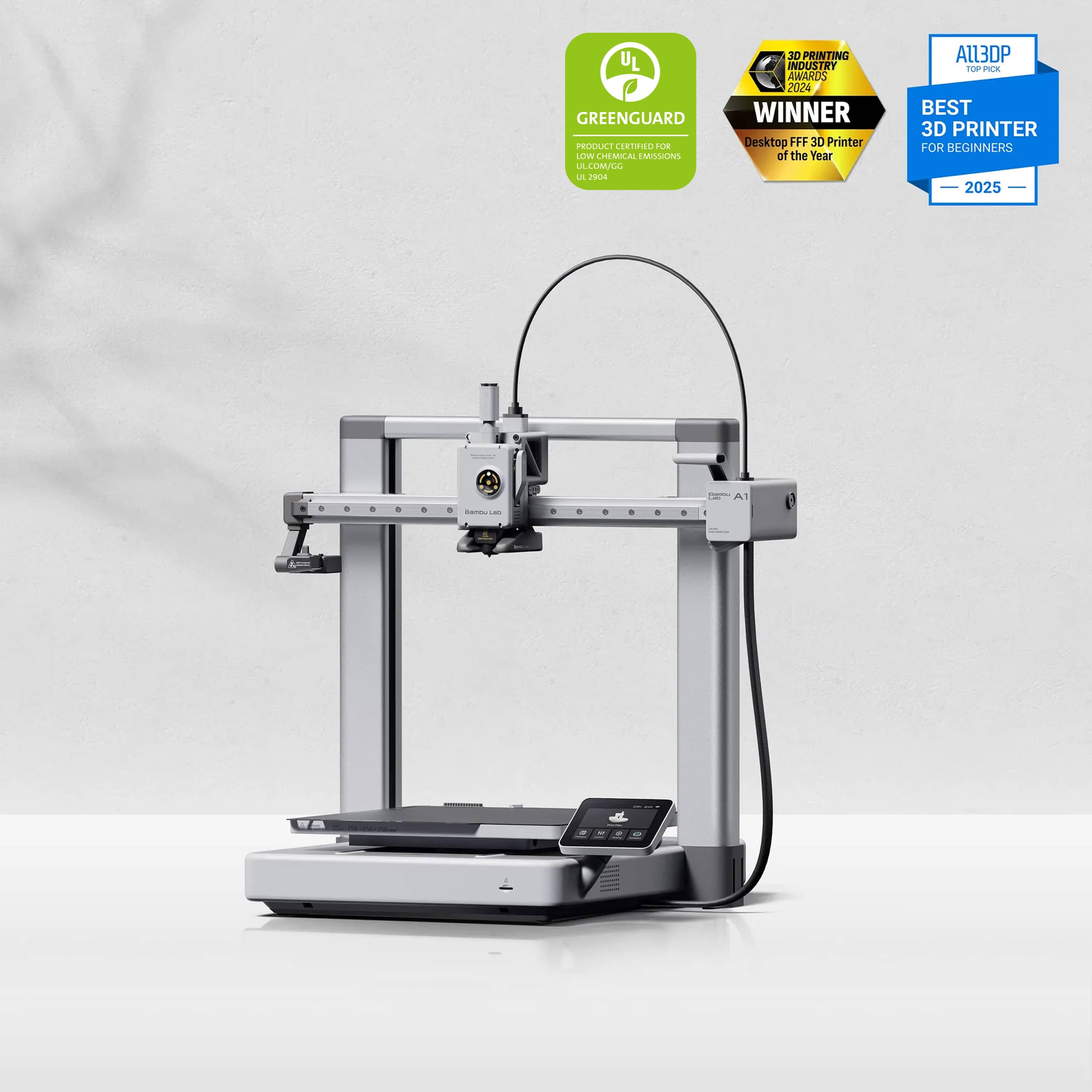
Bambu Lab A1
The easiest printer here to recommend if you want the least friction for the least money.
$349 on Bambu Lab US at the time of writing
View official product page →
Best enclosed first printer
Bambu Lab P1S
If you want a machine that leaves room to grow into PETG, ASA, and a more serious workflow, this is the one.
$549 on Bambu Lab US at the time of writing
View official product page →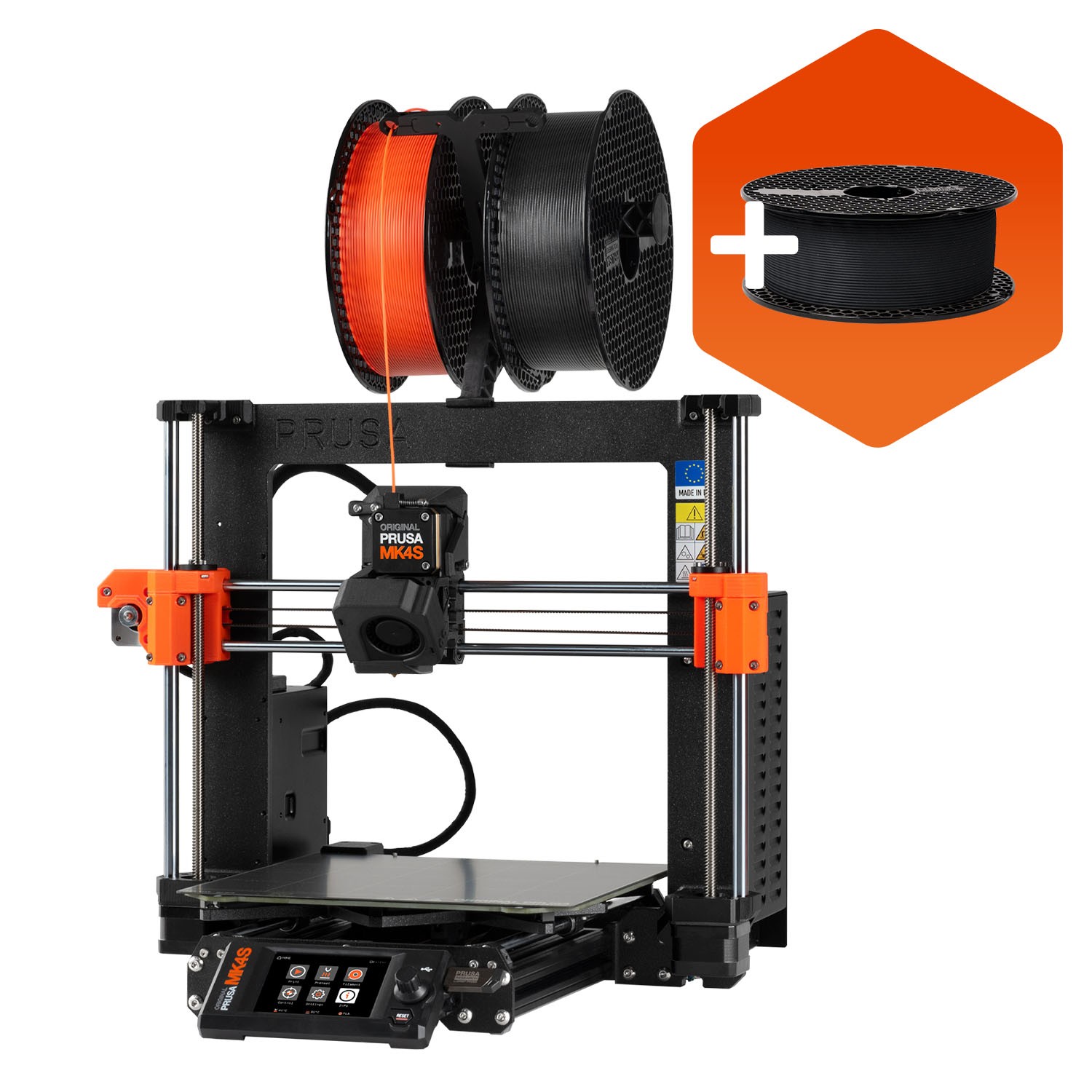
Best beginner printer if you care about repairability
Original Prusa MK4S
Not the cheapest and not the flashiest, but one of the strongest choices if you want a machine you can understand, maintain, and keep for years.
Assembled and kit options listed on Prusa's official product page at the time of writing
View official product page →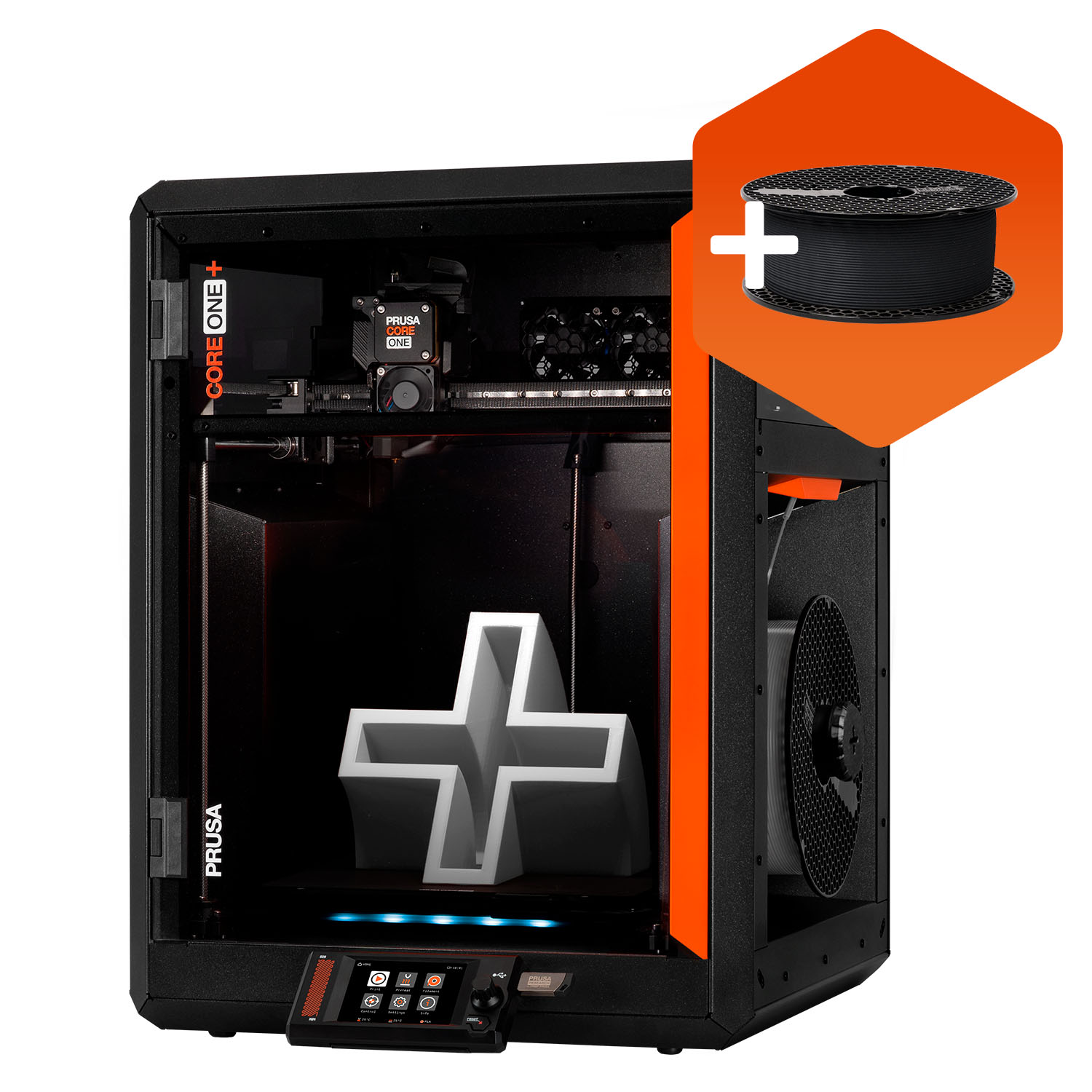
Best premium beginner printer
Prusa CORE One
If your budget is healthy and you want a machine that feels like a long-term upgrade from day one, this is the strongest buy-once option in the group.
Premium pricing on Prusa's official store at the time of writing
View official product page →
1. Best Overall Beginner Printer: Bambu Lab A1
If a friend asked me, "I want my first 3D printer and I do not want drama," the A1 is the default answer.
On Bambu Lab's official page, the A1 is positioned around the things beginners actually care about: full-auto calibration, quick-swap nozzles, active flow compensation, optional multi-color printing through the Combo package, and a 256 × 256 × 256 mm build volume. That is a smart feature set for a first machine.
The A1 wins because it attacks the usual beginner pain points directly. Bed leveling is automated. Basic setup is simplified. The machine is not enclosed, which keeps the price and complexity lower. And unlike a lot of older beginner recommendations, it does not feel like a dead-end toy.
The A1 is the printer I would point to if your priority is getting to successful prints fast. PLA, PLA+, PETG, and the normal first-year materials make sense here. If you later decide you care about engineering filaments, heavy enclosure use, or a more production-oriented setup, that is when you move up.
Buy this if: you want the easiest on-ramp, you are budget-aware, and you mostly plan to print PLA, PETG, toys, organizers, fixtures, gifts, and household parts.
Skip this if: you already know you want an enclosed machine for hotter materials or you know you are the kind of person who will immediately start chasing more advanced use cases.
2. Best Enclosed First Printer: Bambu Lab P1S
The P1S is where I start if the budget has room and you want to avoid the "buy a beginner printer now, replace it six months later" cycle.
According to Bambu Lab's official product page, the P1S is sold around a few key ideas: it works right out of the box, setup takes about 15 minutes, the body is enclosed for higher-temperature filament printing, it supports up to 16-color printing with AMS, and it includes the broader convenience stack that has made Bambu so attractive to newer users.
The big advantage of the P1S over the A1 is not that it is "more professional" in some vague sense. It is that it gives a beginner more headroom. An enclosure matters. Once you move beyond beginner PLA prints and start experimenting with PETG heavily or want a cleaner path toward trickier materials, the P1S makes more sense.
This is the machine for the beginner who already suspects they are going to stick with the hobby, print a lot, and eventually want more than just cute benchies and desk gadgets.
Buy this if: you want your first printer to still feel like a serious machine a year from now.
Skip this if: the A1 already covers your needs and you would rather keep several hundred dollars in your pocket for filament, tools, and mistakes.
3. Best Beginner Printer for Long-Term Ownership: Original Prusa MK4S
The MK4S is the recommendation for the beginner who does not just want easy prints. It is for the beginner who also cares about understanding the machine, repairing it, and keeping it for years.
On Prusa's official page, the MK4S is framed as a reliable workhorse with easier setup, strong print quality, and clear support for both beginners and experienced users. Prusa continues to lean into the things that have made it stand out for years: strong documentation, open-ish ownership posture, parts availability, and a machine you are not expected to throw away when the next revision appears.
That matters more than spec-sheet warriors like to admit. A beginner printer is not just about the first week. It is about whether the machine still makes sense after the first clogged nozzle, the first maintenance job, the first time you want to understand what changed between two prints, or the first time you want to fix instead of replace.
The MK4S is not the cheapest route into printing, and it is not the flashiest answer in the current market. But if your personality leans toward "I want to own the tool, not just consume the appliance," the MK4S makes a lot of sense as a first printer.
Buy this if: you value documentation, serviceability, and long-term confidence more than being on the absolute lowest-friction path.
Skip this if: you want the most turnkey experience possible and do not care much about repairability.
4. Best Premium Beginner Printer: Prusa CORE One
The CORE One is my favorite answer for the beginner with a healthy budget who wants to start closer to the "serious machine" end of the spectrum.
Prusa's official CORE One page positions it as a reliable enclosed CoreXY machine with a large 250 × 220 × 270 mm build area, active temperature control, a chamber that can reach up to 55 °C, and a workflow built around getting to a first print quickly. The official pitch is basically this: enclosed, fast, stable, durable, and beginner-safe without being beginner-limited.
That is exactly why it lands here. A lot of premium printers are only "beginner friendly" if you already know what can go wrong. The CORE One is different because it pairs a more ambitious hardware class with Prusa's usual emphasis on documentation, reliability, and sane ownership.
If I were telling someone to buy one machine and grow into it rather than out of it, this is one of the strongest answers in the current field.
Buy this if: you want a premium first printer and you would rather spend once than upgrade twice.
Skip this if: you are still deciding whether 3D printing will actually stick as a hobby or side business.
So Which One Should You Actually Buy?
- Buy the Bambu Lab A1 if you want the easiest and cheapest good answer.
- Buy the Bambu Lab P1S if you want an enclosed machine and more room to grow.
- Buy the Original Prusa MK4S if you care about ownership, maintainability, and support quality.
- Buy the Prusa CORE One if you want the premium "start strong and stay there" option.

What I Would Avoid as a First Printer
I would avoid three traps:
- Huge-format printers just because the build volume sounds exciting.
- Cheap mystery machines that win on sticker price but lose on setup pain.
- Overbuying for imaginary future needs instead of your actual first six months of printing.
Your first printer should make you print more, not troubleshoot more. That sounds obvious, but a lot of first purchases are still driven by spec inflation instead of actual beginner success.
My Real Recommendation
That is the honest answer in 2026. The market is better than it used to be, but the right beginner printer is still the one that gets you from curiosity to consistent printing with the fewest stupid obstacles in the way.
If you already have a Bambu Lab X1C and want the deep dive on what it's really like living with one, check out the X1C review. Wondering whether to upgrade? See the X1C vs X2D comparison. The 3D printing space is shifting fast. Check out our Prusa INDX vs Bambu analysis for what's changing in multi-material. And once you've picked a printer, you'll want the right stuff to go with it. See the beginner accessories guide for what to buy on day one.
Product details above were checked against official manufacturer pages on April 25, 2026. Prices and bundles can change, so treat the category picks as the durable part and the exact pricing as a snapshot.
This page may contain affiliate links. As an Amazon Associate I earn from qualifying purchases.